Organic mattresses · Materials and comfort
Natural Latex Mattress Choices: Support, Feel and Suitability
Natural latex has a way of making support feel less like a structure and more like a response. It yields, then answers back. But the words “natural latex” do not, by themselves, tell you whether a mattress will feel soft or firm, cradle the shoulders or hold them high, suit a side sleeper or leave them searching for a different position.
A useful comparison begins beneath the label: with the layers, firmness, materials, certifications and everyday practicalities that shape how a mattress works in a real bedroom.
The material is only the beginning
Latex is made from the milky sap of rubber trees, which is processed into a resilient foam. In a mattress, it is valued for buoyancy: instead of slowly sinking around the body in the way some foams do, it tends to compress and recover promptly. That quality can make turning over feel easy and give the surface a lively, gently springing character.
Those broad descriptions are a starting point, not a promise. A latex mattress may be built from one thick core, several layers with different densities, or a core paired with a softer comfort layer. The cover and any added wool, cotton or other materials also change the sensation at the surface. Two mattresses described as natural latex can therefore feel quite unlike one another.
It helps to separate three questions that are often folded into one. What is the mattress made from? How is it constructed? And how does that construction feel under your body? The first concerns composition and sourcing; the second describes the arrangement of components; the third is personal, and is best judged through careful comparison rather than a material name.
For shoppers interested in natural mattresses, the distinction matters. A claim about latex content does not automatically establish that every layer is organic, that the finished mattress carries a particular certification, or that its firmness suits a specific sleeper. Read the specifications as a map of the product, not as decorative language around it.
What “support” means in practice
Support is sometimes discussed as if it were a single sensation: firm, soft, or somewhere in between. In use, it is more complicated. A mattress needs to accommodate the body’s shape while keeping the sleeper from feeling as though the pelvis or shoulders are dropping too far. That balance depends on the mattress and the person, including body shape, weight distribution, sleeping position and individual comfort preferences.
A firm surface is not automatically more supportive. If it resists pressure at the shoulders and hips, a side sleeper may feel pushed upward or develop uncomfortable pressure. A softer mattress is not automatically less supportive, either; a suitable comfort layer can allow the shoulders to settle while the deeper layers continue to resist excessive sinking. The useful question is not “Is this mattress firm?” but “Does this combination of layers let me rest comfortably and feel adequately held?”
Latex’s responsiveness can be appealing to people who dislike the feeling of being stuck in a slow-moving surface. It generally recovers its shape relatively quickly as pressure shifts. Some sleepers describe that as buoyant; others experience it as too springy or as less enveloping than they prefer. Neither reaction is a verdict on the material. It is evidence about fit.
For couples, movement is another consideration. A resilient surface can make changing position straightforward, but motion transfer varies by construction. Layer thickness, mattress size, foundation and the way the mattress is assembled all play a part. If one sleeper is particularly sensitive to a partner’s movements, it is worth checking product details and, when possible, testing the mattress together.
Firmness, layers and the feel at the surface
Firmness labels are convenient, but they are not universal measurements. One maker’s “medium” may feel different from another’s, and the same mattress can feel firmer or softer to different people. A label should be treated as a rough description of intended feel, not a substitute for the construction details or a personal trial.
Look for an explanation of each layer. A mattress with a firm latex base and a softer upper layer will usually offer a different first impression from a single, consistently firm core. A thicker comfort layer may create more initial cushioning; a thinner one may keep the surface feeling closer to the support core. Covers can add a small amount of padding, while wool layers may contribute cushioning and temperature management without behaving exactly like a latex layer.
Consider how much of the mattress is latex and what else is included. Some products combine latex with organic cotton and wool. Others may use different cover fabrics or additional components. If you have a sensitivity or a strong material preference, check the complete specification rather than assuming that a latex headline describes the whole mattress.
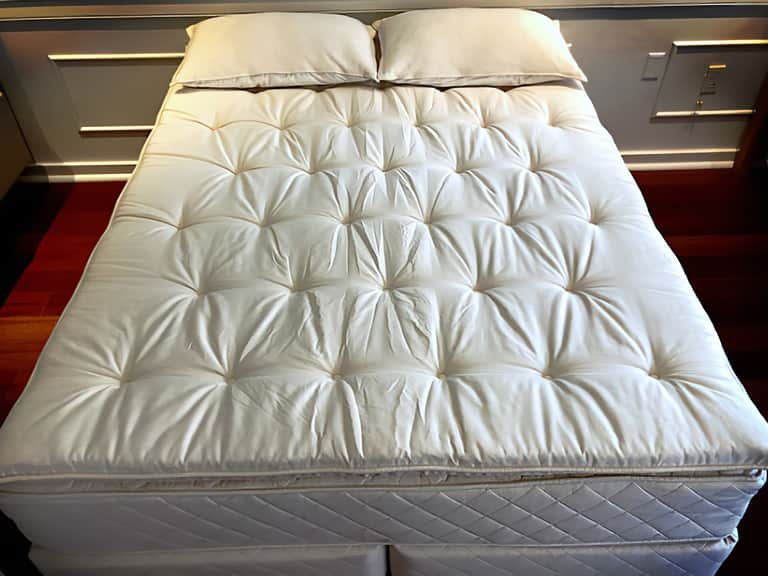
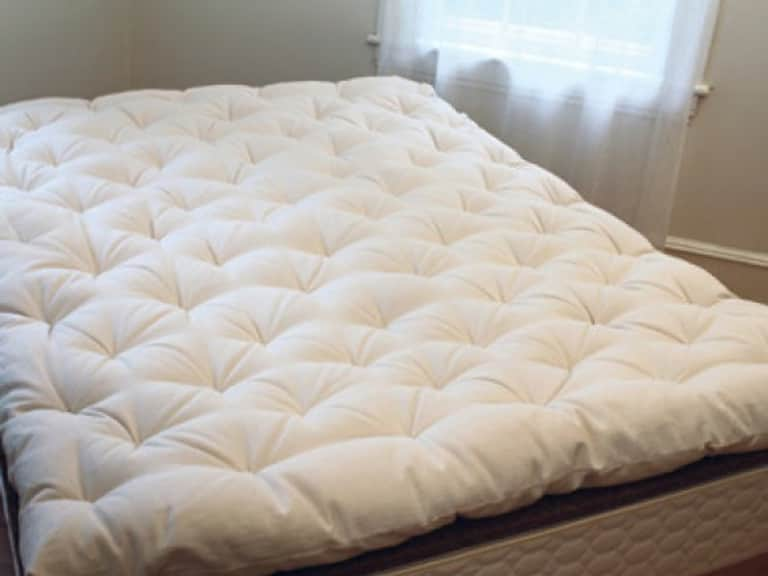
One example of a layered design is the Naturally Organic Hudson Luxe Latex Mattress. Its described construction pairs a firm Dunlop latex core with a medium latex comfort layer and a wool-and-latex topper. This arrangement illustrates why the name of the material alone is not enough: the core, upper layers and topper work together to create the overall feel. Product descriptions and specifications can change, so confirm current details directly before making a decision.
Sleeping position and personal preference
Sleeping position can offer a useful first filter, though it cannot determine the right mattress on its own. Side sleepers often pay close attention to pressure around the shoulders and hips. A surface that offers some give in those areas may feel more comfortable, provided the rest of the body still feels supported. For back sleepers, a balanced feel that accommodates the natural curves of the body may be important. Stomach sleepers often prefer a surface that does not allow the midsection to sink excessively.
These are tendencies, not rules. People change position during the night, and bodies are not standardised. Someone who sleeps mostly on their side may still prefer a firmer feel; someone who sleeps on their back may want more cushioning. If you share a bed, the ideal compromise may differ from either person’s first choice when sleeping alone.
Think about the sensations you already know you like. Do you prefer to settle into the bed or lie more on top of it? Do you move often and want a surface that responds quickly? Is pressure at the shoulder, hip or lower back a recurring concern? These observations are more useful than choosing firmness based on a generalisation about a sleeping position.
A mattress is not a medical treatment, and no material can guarantee relief from pain or a particular health outcome. Persistent or worsening discomfort is a reason to seek appropriate professional advice. For ordinary comfort decisions, however, a clear sense of your own preferences can help narrow the field considerably.
Dunlop and Talalay: construction matters
Natural latex is commonly made using different processes, including Dunlop and Talalay. These names describe ways of manufacturing latex foam, rather than firmness categories in themselves. General descriptions often characterise Dunlop latex as denser or more substantial and Talalay as lighter or more consistent in feel, but the result depends on the particular product and its formulation.
It is best not to treat either process as a guarantee of a specific level of softness, durability or quality. A manufacturer’s layering choices, latex density, mattress design and finishing details remain important. If the process is stated, use it as one piece of information alongside the layer description and any available firmness guidance.
Ask whether the latex is used throughout the mattress or only in certain layers. Check whether the product has a single core, a modular construction or a separate topper. If the mattress is layered, find out whether the layers can be rearranged or replaced. Those details can affect how easily you can adapt the feel over time and what maintenance may involve.
Certifications and material claims
Certification can help make material claims easier to assess, but it is important to understand what a particular certificate covers. A certification may relate to the latex, the cotton cover, the wool, processing requirements or the finished product. One certificate should not be assumed to apply to every component unless the product documentation says so.
When evaluating an organic latex mattress, look for the name of the standard, the certified material or product, and enough information to identify the scope of the claim. For example, a product description may refer to certified organic latex and separately identify certified cotton or wool. That is more informative than a broad assertion that a mattress is “natural” or “chemical-free.”
Terms such as “natural,” “organic” and “non-toxic” do not all mean the same thing, and marketing language can leave important details unstated. Read the component list and certification information together. If a claim is central to your purchase, check whether the maker provides an explanatory document or a way to verify the certification.
Certification is not a comfort rating. It cannot tell you whether the mattress will feel too firm, whether its temperature suits you, or whether it will work with your bed base. Those questions require a separate assessment of construction and personal fit.
Temperature, airflow and the bedroom around the bed
Latex is often selected by people looking for a breathable alternative to some synthetic foams, but a mattress’s temperature feel depends on more than its core. The cover, comfort layers, bed linen, room temperature and the sleeper’s own preferences all contribute. Wool, when included, is commonly valued for moisture management and temperature regulation; cotton can offer a breathable textile surface. Neither material removes the influence of the rest of the sleep system.
If you tend to sleep warm, examine the full construction and consider how it will work with your sheets, mattress protector and duvet. A breathable mattress beneath a dense, heat-retaining set of layers may not feel as cool as expected. Conversely, a mattress that seems cool in a showroom may feel different in a warm room or under winter bedding.
Small practical choices can matter: a well-fitting protector, bedding suited to the season and a room that can be aired may all contribute to a more comfortable sleeping environment. These details are not a replacement for choosing an appropriate mattress, but they are part of the same system.
Check the bed base before you choose
A mattress needs a suitable foundation. Before ordering, check the maker’s guidance on the type of base required, slat spacing, ventilation and weight limits. A mattress that is suitable for one platform or slatted frame may not be suitable for every foundation. Using the wrong base can affect stability, comfort and the validity of product guarantees.
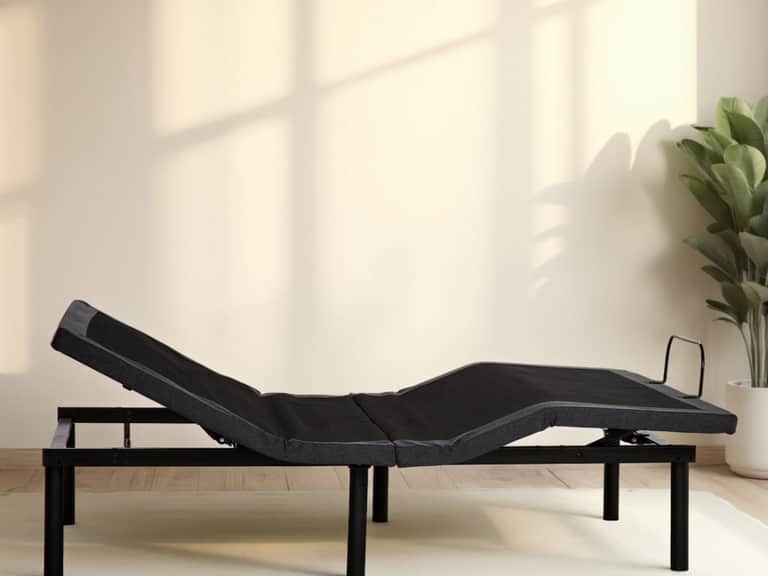
Measure the bed frame and confirm the mattress dimensions, particularly if you are replacing an older mattress or using a less common size. Consider mattress height as well: a thicker design may change the height of the sleeping surface and the fit of fitted sheets. If you use an adjustable bed, verify that the mattress is explicitly compatible with the base and check any limitations on bending or positioning.
Natural latex mattresses can be heavy, especially when built from several substantial layers. Think about delivery access, stairs, doorways and the work involved in moving the mattress. Ask whether the delivery service includes carrying the mattress into the room, unpacking or removal of the old one; these arrangements vary by seller.
Care, trial periods and the longer view
Care instructions are worth reading before purchase, not after the first spill. Many mattresses are not designed for machine washing, and some have covers that should not be removed. A washable protector can help limit soiling, while routine airing and careful handling can support good upkeep. Follow the maker’s instructions for rotating, flipping or cleaning; not every mattress is designed to be flipped.
Check the trial period and return policy in detail. Find out when the trial begins, whether there is a minimum adjustment period, what condition the mattress must be in, and whether collection or return fees apply. A policy described as “risk-free” may still have conditions. The warranty is also distinct from a trial: it generally addresses specified defects rather than whether you like the feel.
Durability is difficult to infer from a natural-material claim alone. Construction, material quality, use, care and the supporting base all matter. Look for clear warranty terms and an explanation of what is covered, while remembering that a warranty is not a prediction of how the mattress will feel after years of use.
There is also an environmental dimension to longevity. A mattress that can be maintained, repaired or adapted may serve longer than one whose comfort cannot be changed. If a design uses replaceable layers or a separate topper, ask whether those parts are available individually and whether the maker offers guidance for extending the product’s useful life.
A practical comparison checklist
When comparing options, a short list of specific questions can be more useful than a long parade of adjectives. Keep the answers together so you can compare like with like:
- Composition: What percentage or proportion of the mattress is latex, and what materials make up the cover and other layers?
- Construction: Is there one core or a set of layers? Are there separate wool, cotton or latex comfort components?
- Feel: How is firmness described, and can you test the mattress or use a clearly explained home trial?
- Position: Does the surface offer the kind of pressure relief and response you prefer in your usual sleeping positions?
- Certification: Which materials or finished products are certified, and what does each certificate cover?
- Compatibility: Is the mattress suitable for your existing frame, slatted base or adjustable foundation?
- Care: Is the cover removable, and what are the rules for cleaning, rotation and protection?
- Practical terms: What are the delivery arrangements, trial conditions, return costs and warranty exclusions?
There is no requirement to answer every question with technical precision. The point is to avoid allowing a single attractive phrase—“natural latex,” “medium-firm,” or “organic”—to stand in for the full picture.
Choosing without turning it into a science project
Mattress research can become an exercise in chasing the perfect specification, as if there were a hidden combination of materials that would produce the same ideal result for everyone. There is not. A good choice is usually the one that balances a tolerable, preferred feel with a transparent construction, suitable support and practical terms.
Begin with what you know: your usual sleep position, the sensations you prefer, any materials you need to avoid, and the frame you already own. Then compare the actual layer descriptions and certifications. If an in-person test is available, spend enough time in your normal positions rather than judging a mattress by a brief sit on its edge. If you shop remotely, read the trial conditions closely before relying on them.
Natural latex may suit sleepers who appreciate a buoyant, responsive surface and want to examine material sourcing carefully. It may be less appealing to someone who prefers a slow, deeply contouring feel. Within the category, the difference between a firm core and a plush layered design can be substantial. The label opens the conversation; the construction and your own experience finish it.
In the end, the most useful mattress is not the one with the most persuasive vocabulary. It is the one whose materials you understand, whose firmness you can live with, and whose design makes sense for your body, bed and bedroom. Natural latex offers a range of possibilities. Choosing well means looking past the name long enough to see what, exactly, lies beneath the sheet.