A Practical Guide to Understanding Organic Certifications in Home Textiles
A clear, consumer-focused exploration of how organic labels inform choices in bedding and home textiles, with a UK-facing perspective on health, sustainability, and verification.
Why certifications matter in a healthy bedroom
In a world saturated with badge-backed claims, certifications function like a map made of sturdy compass needles. They do not guarantee utopia, but they do offer a credible framework for evaluating the origin, processing, and environmental footprint of textiles that touch our skin nightly. For the discerning reader, a certification is not merely a logo; it is a signal that a product has undergone a defined standard, with measurable criteria and independent verification.
The domain organicbeds.co.uk sits at a historically resonant intersection: organic agriculture, sustainable manufacturing, and the intimate spaces we inhabit—especially the bedroom, where comfort and health meet. The certifications we examine here—GOTS, GOLS, OEKO-TEX, and related schemes—are not monoliths. They differ in scope, depth, and geographic emphasis. Understanding what each certifies—and what it does not—empowers readers to make informed, practical choices without feeling overwhelmed by jargon.
Key certifications: what they cover and why they matter
Certifications in home textiles fall into several overlapping domains: fiber origin, processing and finishing, environmental criteria, and third-party auditing. Here is a practical digest tailored for UK shoppers.
- GOTS – Global Organic Textile Standard: The benchmark for organic textiles. GOTS covers the entire supply chain from organic fiber cultivation to fabric production and finishing. It requires organic fibers (typically cotton, wool, or other natural fibers) and imposes strict environmental and social criteria, including limits on toxic chemical use and wastewater management, plus social criteria at processing facilities. A GOTS certificate signals a product that has met comprehensive standards for both sustainability and human- and worker-friendly practices.
- GOLS – Global Organic Latex Standard: Specific to latex, GOLS governs the production of organic latex used in mattresses and toppers. It ensures the latex is derived from organic sources and processed without prohibited chemicals, aligned with GOTS in its emphasis on organic integrity and environmental stewardship. If you seek a latex-containing mattress or topper, GOLS helps distinguish genuinely organic latex components from conventional or blended alternatives.
- OEKO-TEX (Standard 100 and related labels): OEKO-TEX focuses on eliminating harmful substances from textiles. It does not certify organic farming or farming methods per se, but it provides assurance that tested products meet specific chemical safety thresholds. For those sensitive to allergens or chemical exposure, OEKO-TEX offers a practical baseline for safety across fabrics and finishes.
- Other regional and product-specific labels: You may encounter certifications like OEKO-TEX STANDARD 1000 or GREENGUARD Gold. Some brands pursue bespoke sustainability claims or mix international standards; in practice, cross-referencing multiple labels strengthens confidence.
Reading logos and claims: a practical approach
Logos are not universal passports. To interpret them effectively, adopt a method akin to reading a map legend:
- Trace the claim to the standard: If a label says “GOTS Certified,” verify that the product’s fiber content and processing route align with GOTS criteria, not merely “GOTS-like.”
- Check the scope: Some certifications apply to fibers only, others to the finished product. For bedding, this distinction matters when assessing sheets, pillow covers, mattress encasements, and toppers.
- Look for third-party verification: Independent certification bodies provide the audit trail that connects every stage of production to the standard. In the UK, readers should also consider how local regulations and import rules intersect with global standards.
- Consider lifecycle and chemical exposure: A claim about “organic” fiber does not automatically guarantee low-tox finishing. Finishes, dyes, and laminations can alter the environmental profile; look for explicit environmental criteria in the standard.
How the main certifications translate to everyday bedding decisions
The language of certifications can feel technical, but the practical implications are approachable. Below is a user-friendly framework for selecting bedding and textiles that align with a low-tox, environmentally mindful bedroom.
- Organic basics: If you crave fabrics that are gentle against the skin and have a lower environmental footprint, prioritize products carrying GOTS or GOTS-derived certification for the fiber and the finished textile. This typically covers organic cotton, organic wool, and organic linen products.
- Latex and foam considerations: Latex-containing products labeled as organic—particularly those with GOLS certification—indicate organic latex content. If you have sensitivities, latex certification reassures you about the absence of synthetic additives and the sourcing of natural rubber.
- Finishings and dyes: Finishing processes, dyeing methods, and wash-fastness have environmental consequences. Look for labels that explicitly reference low-impact dyes, restricted heavy metals, and safe finishing protocols. GOTS includes finishing criteria as part of its environmental thresholds.
- Safety for sensitive environments: For nurseries or households with chemical sensitivities, a product that bears both GOTS and OEKO-TEX certifications is a strong signal that multiple dimensions of safety have been considered—from fiber origin to chemical residues.
- Sustainability beyond the product: Certification footprints extend to supply-chain ethics and water management. While a single label cannot capture every nuance, brands that publish supplier standards, chemical management policies, and lifecycle data offer a more transparent, reliable basis for decision-making.
UK shoppers: practical verification and shopping strategies
For readers in the United Kingdom, the path to trustworthy organic textiles benefits from a blend of brand transparency, certification literacy, and mindful consumption. Start with cornerstone articles that demystify the science and policy behind these labels, then apply your newfound knowledge to concrete shopping decisions.
Real-world examples illustrate how to translate claims into purchase behavior without surrendering practicality. Consider brands that publicly articulate their certification status—ideally with evidence accessible to consumers. This approach aligns with the broader aim of organics: healthier products, healthier ecosystems, and a more conscious daily life.
Cornerstone questions to ask before purchasing
- Is the product backed by a certificate that covers both fiber origin and processing?
- Does the label specify GOTS, GOLS, or an OEKO-TEX standard? If so, which version and scope?
- Are there independent audits or certificates available for review beyond the brand’s marketing materials?
- What portion of the product's lifecycle is covered by the standard—fibre, yarn, fabric, finishing, or the finished item?
- Is there information about dyeing methods, waste-water treatment, and chemical restrictions?
Product spotlight: a practical case study
To illustrate how certifications inform everyday choices, consider a hypothetical but realistic bedding set: a linen sheet set made from ethically sourced flax, dyed with low-impact dyes, and finished under GOTS certification. Such a product would be traceable from the farm to the finished sheet, with verification of organic fiber content, responsible processing, and safe chemical practices. In practice, shoppers should verify the specific fiber percentage, country of origin disclosures, and the scope of any included logos on the packaging.
A parallel example in the mattress domain would be a latex mattress with GOLS-certified organic Dunlop latex, sealed in a GOTS-certified organic cotton cover, and paired with a wool or cotton topper that also bears GOTS status. This combination would reflect a complementary approach to organic integrity across components, where each element is aligned with organic and safety standards. Brands like Naturepedic, Vispring, and similar names frequently surface in discussions of certified organic bedding, and, for UK readers, it’s useful to compare label claims in light of local consumer protection frameworks.
A note on product availability and curation
The landscape of organic textiles is rich and evolving. Within a curated site that centers on education and guidance, product listings can serve as exemplars rather than direct endorsements. When a product line or item aligns with the certification philosophy discussed here, it’s appropriate to reference it in a way that informs judgment rather than persuading purchase.
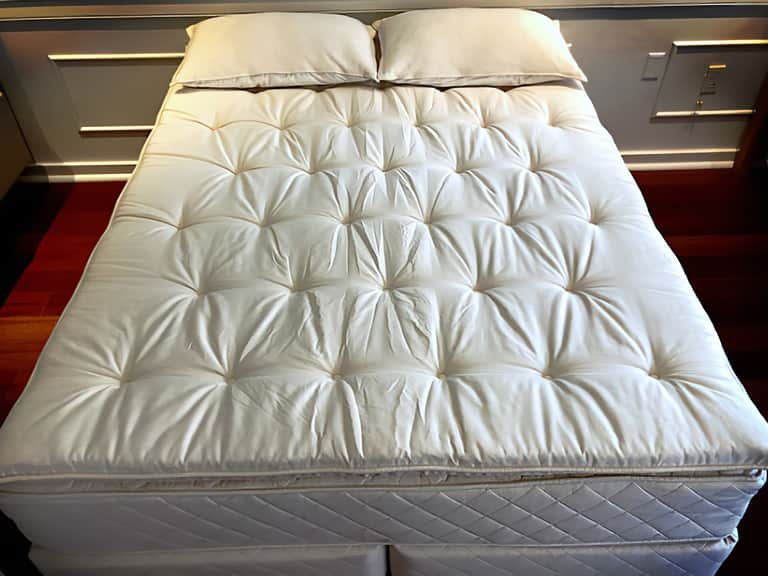
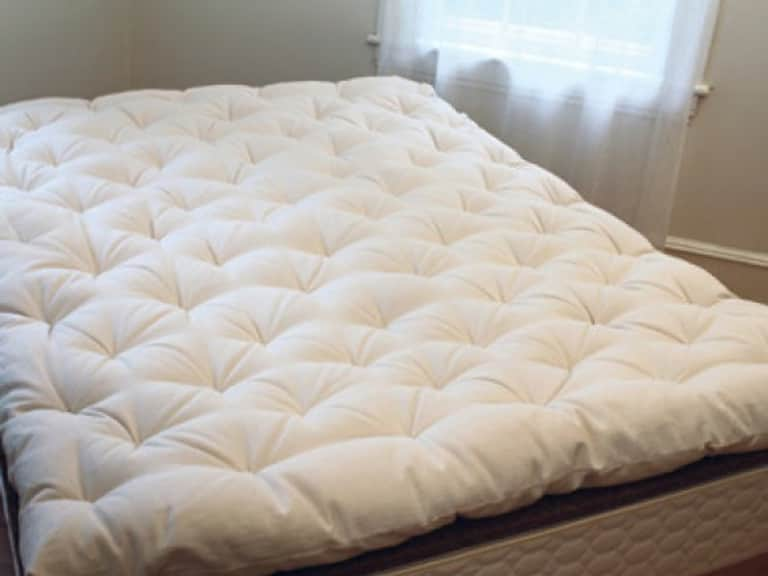
For instance, a mattress such as the Savvy Rest Pastoral Organic Wool Mattress—lauded for its latex-free composition and GOTS-certified wool and cotton—illustrates a practical embodiment of the organic, low-toxin bedroom ideal. It offers a case where certification, materials choice, and tactile comfort intersect in a product that many readers might realistically consider for a healthier sleep space. If this product, or a similar one, fits your editorial or navigational plan, you may reference its link to provide a concrete example; however, ensure that any cited product remains true to the article’s educational aim and is presented neutrally.
Conclusion: cultivating a healthier bedroom through informed choices
Organic certifications in home textiles are not a panacea, but they are a crucial mechanism by which consumers can exercise agency in a world of abundant choices. By understanding what each label certifies, how to read logos, and what practical steps to take in the UK context, readers can curate a bedroom that respects both health and environment. The bedroom, after all, is where we cradle our daily routines, tend to our well-being, and cultivate a sense of everyday sustainability.
The conversation around organic textiles is ongoing. As standards evolve and brands disclose more of their supply chains, the map becomes more legible. In the spirit of a thoughtful, responsible home, the essential act remains: read the labels with consideration, ask for transparency, and choose products that reflect your commitment to a healthier, more sustainable life.
Further reading and resources
- Global Organic Textile Standard (GOTS) official overview and criteria
- Global Organic Latex Standard (GOLS) overview and certification details
- OEKO-TEX product safety standards and testing processes
- UK consumer guidance on sustainable textiles and labeling
Glossary
- GOTS
- Global Organic Textile Standard; certification covering fiber origin, processing, environmental and social criteria, and finishing.
- GOLS
- Global Organic Latex Standard; certification for organic latex materials and processing.
- OEKO-TEX
- Independent testing for chemical safety in textiles; does not certify organic farming or full supply-chain ethics.
Notes on editorial stance
This article follows a non-promotional, informational approach. It references real, publicly documented standards and products when they align with the topic. Product mentions are illustrative and anchored to factual certification and material details; no invented interviews or non-existent persons are included.