Bedding & sleep comfort
How to Choose Cool, Breathable Sheets for Warm Sleepers
When the night is warm, the difference between a comfortable bed and a restless one may come down to the cloth against your skin. Cotton percale and linen are both valued for an airy feel, but they achieve it in different ways—and ask for different things in return.
A warm sleeper knows the small indignities of an overheated night: the pillow turned repeatedly to find a cool side, the duvet pushed away and retrieved, the sheet gathered into a knot near the feet. Bedding cannot control the weather, the room’s insulation, or the body’s own thermostat. But the fabric surrounding a sleeper can affect how heat and moisture feel at the surface, and a more suitable sheet can make bedtime less like a negotiation.
Two materials often come up in the search for breathable sheets: cotton percale and linen. Percale is cotton woven in a simple, balanced structure that tends to feel crisp, light and smooth. Linen, made from flax, has a more pronounced texture and a relaxed drape. Both can suit people who prefer a cool, less clingy surface, but neither is a universal answer. The useful questions are more specific: Do you like a crisp or textured hand? How warm is your room? How much ironing are you willing to do, and how often do you wash your sheets?
The language around cooling sheets can become grander than the reality. A sheet is not an air conditioner, and no fabric guarantees an uninterrupted night. A sensible choice begins with understanding the material, the weave, the weight and the fit, then considering how those qualities meet your own habits.
What “breathable” means in bedding
Breathability is not a single measurable sensation. In everyday use, it describes how readily a textile allows air and moisture to move through or away from the sleeping surface. A sheet that feels airy may be less likely to cling when the room is warm; a fabric that dries readily can feel more comfortable when a sleeper perspires. The actual experience depends on the whole bed, including the mattress, duvet, protector, nightwear and room conditions.
A lightweight sheet with an open, comfortable weave may feel cooler than a dense, heavy one, but personal preference matters. Some sleepers enjoy a little substance and drape; others want the sheet to feel almost weightless. A fabric that seems cool to one person can feel rough or too crisp to another. “Cooling” is therefore best treated as a description of feel and moisture management, not a promise of a particular body temperature or health outcome.
It is also worth looking at the fabric as it is made, not just the fibre named on the label. Cotton percale and cotton sateen are both cotton, yet their weaving structures produce noticeably different surfaces. Linen’s distinct character comes from flax fibre as well as the way it is spun, woven and finished. Fibre, weave, weight and finish work together.
Cotton percale: crisp, light and straightforward
Percale is a plain weave, commonly described as one thread over and one thread under. The structure gives it a relatively matte, crisp surface. Many people associate cotton percale sheets with the cool, freshly made feeling of a hotel bed: the fabric has a clean hand, does not feel especially slippery, and tends to drape less heavily than some sateen sheets.
For warm sleepers, percale’s appeal is often its lightness and familiar feel rather than a miraculous temperature-lowering effect. The weave can allow a sense of airiness, while cotton is a natural fibre that absorbs moisture. A well-made percale set may suit someone who prefers a smooth but not glossy surface, or who finds heavier bedding oppressive.
New percale can feel quite crisp. That is not necessarily a flaw: the fabric may soften through washing and use, while keeping its characteristic structure. If you want a buttery, draped finish straight from the package, percale may not be your ideal match. If you enjoy a fresh, slightly crisp sheet that grows more yielding with time, it may be exactly right.
Cotton percale can wrinkle, particularly if it is removed from the dryer after it has cooled and sat in a heap. That is a practical consideration, not a reason to reject it. Some people like the relaxed look; others prefer to fold or make the bed promptly. A warm, low tumble-dry setting, in line with the maker’s care instructions, can help keep the fabric easy to manage.
Linen: textured, airy and relaxed
Linen is made from flax and is known for its visible texture and distinctive drape. It often feels more substantial in the hand than lightweight cotton percale, yet many sleepers appreciate it for its airy, moisture-managing character. Linen can feel comfortable across changing seasons: its texture does not necessarily mean it is too warm, and its natural insulating qualities can make it pleasant when a room cools overnight.
The first encounter with linen can be a matter of taste. Some sets feel supple from the start; others are noticeably textured and soften as they are washed and used. Linen’s irregular surface is part of its appeal, and its creases are not a failure of housekeeping. The fabric tends to look more at ease than pressed cotton, which can be a relief to anyone who regards ironing a bed as an avoidable domestic ceremony.
Linen may also take up more space in the budget than some cotton options. Its feel and longevity vary with fibre quality, construction and care, so price alone does not tell the whole story. Check the product’s stated fibre content, weight or fabric description, country of manufacture and washing guidance. If you can handle a sample before buying, pay attention to how the surface feels against your skin rather than relying on the word “cool” in a product description.
Percale or linen? Start with your preferred texture
The simplest way to compare these sheets is to ask what you want to feel when you climb into bed. Percale tends towards crisp, smooth and clean-edged. Linen tends towards textured, relaxed and softly draped. Both can be breathable choices, but the difference in hand is immediate and more personal than a specification sheet can convey.
- Choose percale if you like a crisp, lightweight feel, a relatively smooth surface and bedding that looks neat when made.
- Consider linen if you enjoy texture, a loose drape and a naturally rumpled appearance that does not need to be corrected.
- Think about your climate as well as the temperature of your bedroom. A warm, humid summer and a cool, dry room can make the same sheet feel different.
- Be honest about laundry: a breathable fabric is less useful if its care routine is one you will resent or avoid.
Neither fibre automatically wins for every sleeper. Some people prefer cotton percale in summer and a heavier layer when the weather turns; others use linen year-round. If you are unsure, begin with a single pillowcase or a smaller set, where available, before replacing everything on the bed.
Fabric weight, thread count and the numbers on the label
Thread count is often treated as a shorthand for quality, but it is not a reliable ranking of coolness. It indicates how many threads are counted within a particular area of fabric, and the number can be presented differently according to how a fabric is constructed. A higher figure does not, by itself, mean a sheet will be softer, more durable or more breathable. For percale especially, a moderate thread count can be entirely appropriate to the crisp, open character people seek.
When comparing sheets, consider the weave, fibre quality and finish alongside the count. Long-staple cotton fibres can contribute to a smoother, stronger yarn, but the final feel still depends on how the yarn is woven and finished. For linen, fabric weight—sometimes stated in grams per square metre—can provide another point of comparison, though it does not replace touch or practical use.
Labels and product pages do not always use the same terms consistently. “Lightweight,” “cooling” and “luxury” are often descriptive rather than standardised categories. Look for concrete details: fibre content, weave, fabric weight where provided, manufacturing information, available sizes and care instructions. Treat broad claims as an invitation to inspect the particulars, not as proof that a sheet will suit your body or room.
Fit matters more than it seems
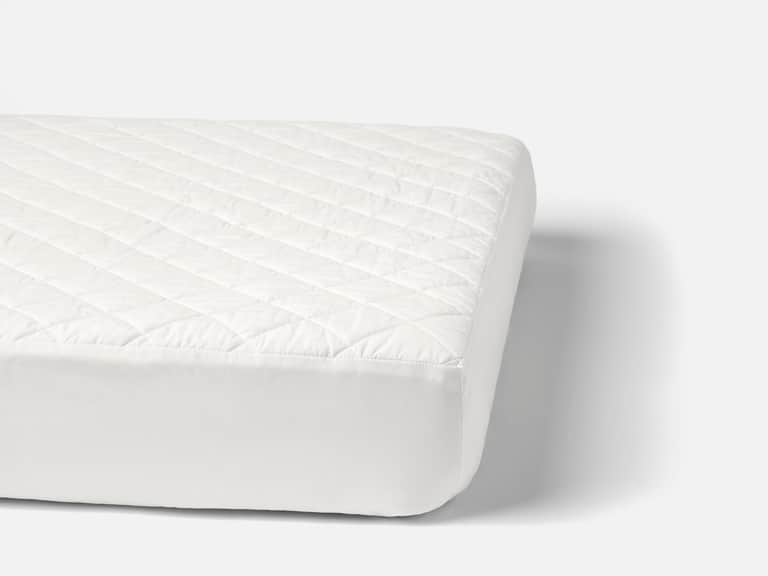
A sheet can be made from a promising fabric and still be a poor choice if it will not stay on the mattress. Before ordering, measure the mattress, including its depth. A topper or mattress protector adds height, and a fitted sheet with a pocket that is too shallow may pull loose at the corners. One that is much too deep may bunch under the body, creating folds that are uncomfortable and warm.
Check the stated dimensions rather than relying on a familiar size name alone. Mattress sizes and product naming can vary by market, and imported bedding may use measurements that differ from UK conventions. If you have an adjustable bed, a split mattress, or an unusually deep mattress, confirm that the fitted sheet is designed to suit it. Elastic placement and the shape of the corners can affect how securely it sits.
The top sheet matters, too. A generously sized flat sheet can be tucked loosely or left with room to move, while a very narrow one may feel restrictive. Fit does not cool a room, but it can reduce bunching and keep a breathable fabric in comfortable contact with the body.
Laundry habits and how sheets change over time
The best sheets are sheets you can care for properly. Read the manufacturer’s instructions before washing, since recommended temperatures, drying methods and precautions vary. As a general principle, avoid assuming that high heat or harsh treatment will make bedding fresher. A suitable detergent, the advised wash cycle and prompt removal from the dryer are often easier on fibres and can help prevent excessive creasing.
Cotton percale may soften with repeated washing, while retaining its crisp character. Linen commonly becomes softer and more pliable over time, although the exact pace depends on the fabric and the way it is finished. Either can shrink if it is exposed to inappropriate heat or washed against instructions, so the first wash deserves more attention than the bed’s usual morning untidiness.
For organic bedding, care labels are just as important as certification marks. Organic describes aspects of production, not a guarantee that a product is indestructible, wrinkle-free or low-maintenance. A sheet that lasts many years through careful use may be a more considered choice than one replaced quickly, regardless of how persuasive its marketing sounds.
Certifications, fibres and finishing
If organic production is part of your decision, look for specific certification information and verify what it applies to. A certification may cover the fibre, the processing, the manufacturing facility or a particular stage of the supply chain; the label should make clear which claim is being made. Standards can change, and a phrase such as “natural” is not the same thing as an independent organic certification.
For cotton bedding, the Global Organic Textile Standard, commonly abbreviated to GOTS, is one certification buyers may encounter. It addresses organic fibres and relevant processing requirements. Read the product’s certification details rather than treating a logo as a substitute for understanding the claim. If a sheet is described as organic, check whether the statement refers to the textile itself and whether the certification information is available from the maker.
Finishing treatments, dyes and fabric construction can also influence how a sheet feels and how it should be cared for. If you have sensitive skin or a particular concern, seek clear, product-specific information from the manufacturer. Avoid assuming that every organic product is identical, or that a material label alone predicts comfort. The most useful purchase is one whose composition and care requirements are transparent.
A cooler sheet is part of a larger bed
When a bed feels hot, sheets are an obvious place to investigate, but not the only one. A thick duvet, a heat-retaining mattress protector, a foam topper, heavy sleepwear or poor air circulation may contribute to discomfort. The room itself can matter as much as the textile: ventilation, window coverings, heating settings and the number of people sharing the bed all shape the night-time environment.
That does not mean a complete bedroom overhaul is necessary. Start with the simplest changes. Try a lighter duvet or a less insulating cover, wash bedding regularly, and consider whether the protector underneath the fitted sheet feels warm or plasticky. A breathable sheet cannot compensate for every other layer, but it can be one useful part of a bed that feels less enclosing.
If overheating is persistent, severe or accompanied by other concerning symptoms, sheets are not a medical solution. Bedding can improve comfort, but it cannot diagnose the reason for night sweats or treat an underlying condition. For ongoing health concerns, seek appropriate professional advice.
A practical checklist before you buy
A little preparation can spare you the familiar ritual of discovering that the fitted sheet is too small after the packaging has been discarded. Before choosing a set, work through the details that are easiest to overlook:
- Measure mattress length, width and depth, including any topper and protector.
- Decide whether you prefer percale’s crisp smoothness or linen’s textured drape.
- Compare fibre, weave and fabric weight where stated; do not use thread count as the only quality measure.
- Read the washing and drying instructions and consider whether they fit your routine.
- Check how the product’s organic or other certification claim is described and what it covers.
- Look for clear information about shrinkage, pocket depth, elastic and returns.
- Think about the other layers on the bed, especially a thick duvet or warm mattress protector.
Where practical, feel the fabric in person or order a sample. If that is not possible, detailed specifications and a reasonable return policy are more helpful than adjectives alone. The aim is not to locate a sheet that is universally cool, but one whose texture, weight and care requirements suit the person who will sleep in it.
The quiet pleasure of a well-chosen sheet
There is an appealing modesty to sheets: they are encountered every night, yet rarely admired for long. When they are wrong, they become the subject of attention—too warm, too scratchy, constantly slipping. When they are right, they recede. A good sheet does not announce itself so much as leave the sleeper undistracted.
For many warm sleepers, cotton percale offers a crisp, breathable-feeling surface with a familiar, practical character. Linen brings a more textured hand, a generous drape and a relaxed approach to creasing. Both may be sound choices; neither deserves to be purchased on reputation alone. Fabric weight, construction, finish, fit and care are the details that turn a promising material into bedding that works in an actual bedroom.
Choose by touch if you can, by specifications if you cannot, and by the habits you expect to keep after the first wash. The coolness of a sheet is not a property separate from the sleeper: it is a small, nightly meeting between cloth, room and body. The right one is the one that lets that meeting pass quietly.