Comforters are essential bedding components designed to provide warmth and insulation while maintaining a comfortable sleep climate. In organic beds, they often emphasize natural fillings, breathable fabrics, and low-odor materials. Understanding the construction, weight, and temperature ratings helps users select a comforter that aligns with room conditions and personal preferences for restful nights.
Key features to consider include fill type, duvet cover compatibility, and the overall tog rating, which indicates warmth. Hypodown® Bed exemplifies breathable, full-body comfort through engineered insulation and moisture management. Such technologies aim to balance warmth with airflow, reducing heat retention and promoting a healthier sleep environment.
In addition to warmth, material quality and sustainability matter. Organic beds typically utilize natural fibers, chemical-free finishes, and certified sourcing standards. For comforters, this translates to softer touches, hypoallergenic properties, and longevity, supporting both comfort and responsible consumption over time.
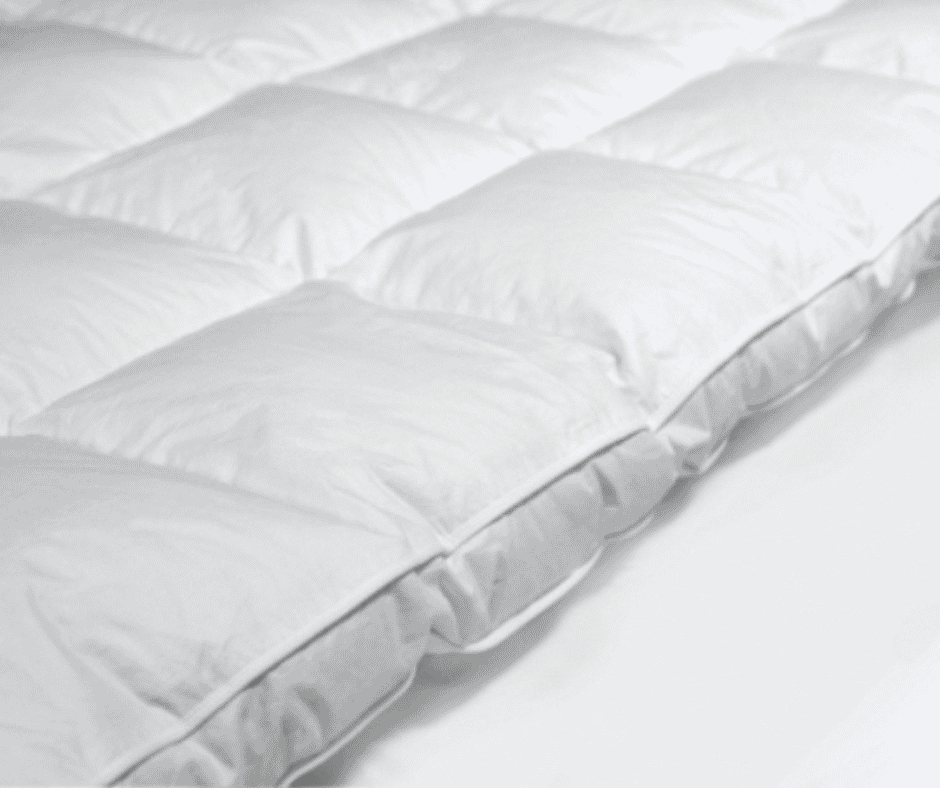
Practical usability considerations include care requirements, ease of cleaning, and compatibility with various bedding systems. A well-chosen comforter should regulate humidity, resist clumping, and maintain loft after multiple washes. When evaluating options like Hypodown® Bed, consider how construction details contribute to consistent warmth and comfort across seasons.
For users seeking information on bedding ecosystems, understanding how comforters integrate with pillows, sheets, and organic mattresses enhances overall sleep quality. Recognizing the role of breathable fills, natural fabrics, and certifications helps align choices with health-conscious, eco-friendly bedding practices while supporting durable, comfortable nights.
 Bedding