Wool is a natural, breathable material renowned for its temperature regulation, moisture management, and durable structure. In bedding contexts, wool fibers trap air to maintain a comfortable microclimate, reducing overheating and night sweats. This makes wool-based products suitable for varied climates and sleepers seeking consistent sleeping conditions.
Organic wool in bedding emphasizes chemical-free stewardship, supporting wellness through eco-friendly practices. The fibers are often sourced from sheep raised under welfare-conscious systems, contributing to lower environmental impact. For sensitive skin, reduced exposure to synthetic finishes can lessen irritation and support healthier sleep experiences.
Key features of wool products include excellent insulation, natural elasticity, and odor resistance. Wool can wick moisture away from the body while remaining warm when dry, helping to maintain comfort across different sleep stages. These properties are particularly beneficial for individuals with allergies or heat sensitivity seeking stable sleep environments.
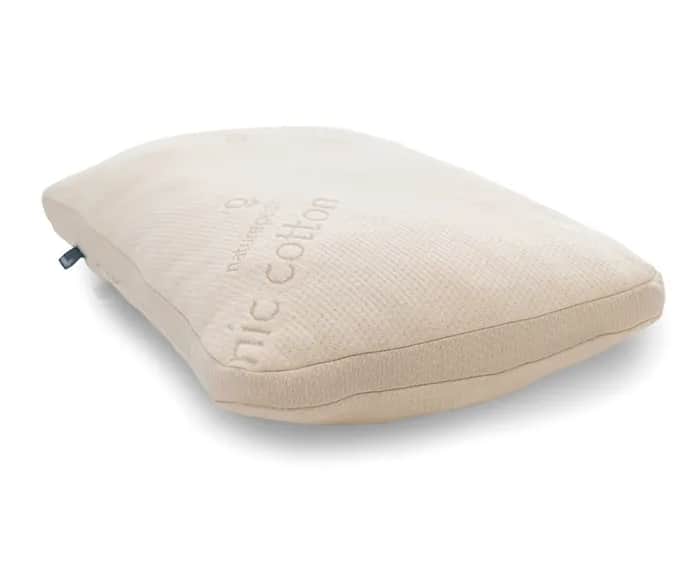
Within this category, pillows and sheets made from organic wool offer practical benefits such as resilient loft, supportive cushioning, and gentle conformity to the head and neck. The Naturepedic Organic Wool Pillow, for example, combines certified organic wool filling with a supportive shape to promote spinal alignment and restful sleep.
Further considerations include care requirements, durability, and compatibility with other organic bedding components like organic mattresses and crib mattresses. Understanding wool’s performance in temperature control, humidity management, and fiber longevity helps readers select textiles that align with comfort preferences and sustainable living goals.
 Bedding